Cells can die via many mechanisms, both programmed and unprogrammed. Dying cells release signals that influence subsequent immune responses, and the nature of these signals depends on many factors, including the nature of the cell death event, its location, the identity of the dying cell and the influence of pathogens, toxins or foreign antigens on these processes. I will discuss roles for cell death programs in cancer, autoimmunity and infection.
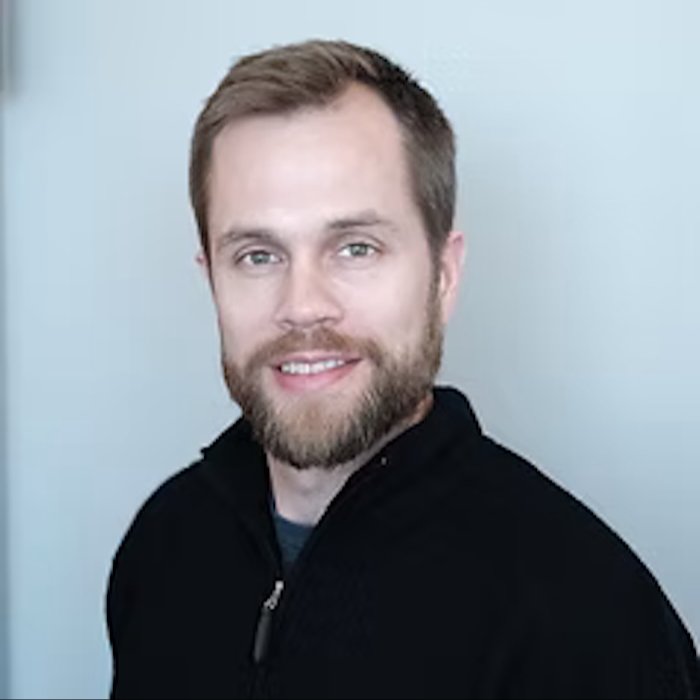
Brief bio: Andrew Oberst carried out postdoctoral training in the laboratory of Dr. Douglas Green (St. Jude Children’s Research Hospital) before founding his own research group at the University of Washington in 2012. His group studies the mechanisms and immunological consequences of programmed cell death. He is currently on sabbatical at the University of Lausanne.