Selective autophagy is a fundamental cellular quality control pathway responsible for the targeted degradation of diverse cytosolic material, ranging from proteins to damaged organelles and invading pathogens. Despite its central importance in health and disease, the molecular and cellular principles governing how autophagosomes recognise, engulf, and degrade their cargo have remained poorly understood.
Using an integrated approach combining in situ cryo-electron tomography, live cell imaging, biophysical measurements, and multiscale simulations, we reveal the mechanistic principles of selective autophagy from the atomic to the cellular scale. Specifically, we show that the physical properties of the cargo are a critical determinant of autophagic fate. By determining the architecture of an autophagic cargo assembly by in situ cryo-ET at high resolution, we demonstrate that a single amino acid substitution is sufficient to shift the assembly material state from liquid-like to glass-like, impairing autophagic flux without disrupting local molecular organisation. Furthermore, we identify that receptor mobility at the cargo surface drives accumulation of autophagy initiation factors into dynamic hubs that nucleate phagophore biogenesis. Autophagosome formation subsequently progresses through well-characterised membrane intermediates guided by endoplasmic reticulum and vacuole contact sites. Features conserved even at the scale of intracellular bacterial pathogens, where the cargo surface itself templates phagophore formation through multiple parallel initiation events. At the pathological extreme, amyloid fibrils evade autophagic clearance by an incompatible material state.
Together, these findings establish cargo material state as a fundamental axis of autophagic regulation, with broad implications for understanding neurodegeneration, infection, and cellular homeostasis.
About the speaker
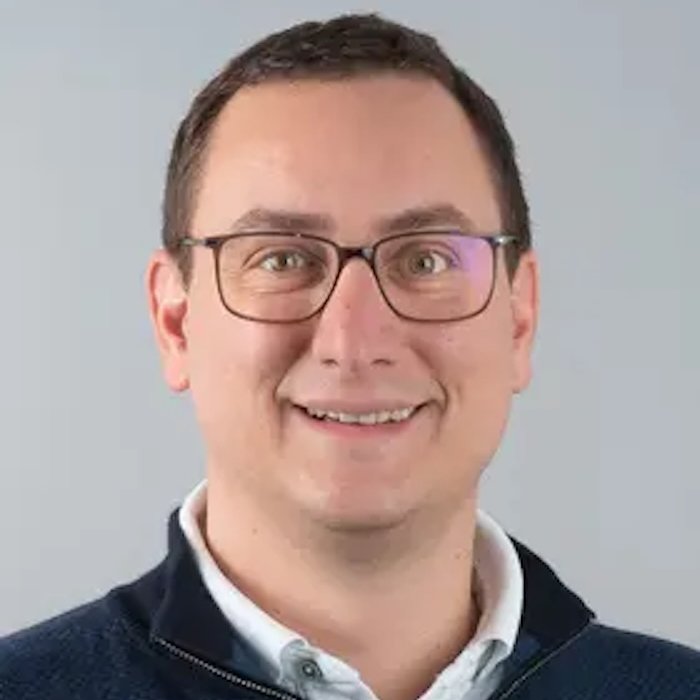
**Florian Wilfling** is an Independent Max Planck Research Group Leader at the Max Planck Institute of Biophysics in Germany, where he leads the research group *Mechanisms of Cellular Quality Control*. His research focuses on understanding the molecular mechanisms that maintain cellular homeostasis, with a particular interest in autophagy and autophagosome biogenesis.
He obtained his PhD in Biology from Ludwig-Maximilians-University Munich and Yale School of Medicine, graduating *summa cum laude*. After his doctoral studies, he continued his research at the Max Planck Institute of Biochemistry, first as a postdoctoral researcher and later as a project leader.
Florian Wilfling has received several prestigious distinctions, including an EMBO Long-Term Fellowship and an ERC Starting Grant. In 2023, he received the Walther Flemming Award from the German Society for Cell Biology for his team’s work on autophagosome biogenesis. Since 2025, he has also been a member of the EMBO Young Investigator Programme.